
Composition of the BioMed Data Science Hub
The BioMed Data Science Hub is structured around four main pillars. Each pillar is led by experts in specific data types (genomics, proteomics, imaging, and flow cytometry) with strong backgrounds in both data generation and analysis, and is complemented by the Luisier Lab’s expertise in artificial intelligence for biological data.
While Prof. Luisier will serve as the Academic Director of the Hub, the operational activities will be shared across the four domain-specific experts. Dr. Andrej Benjak will serve as the Hub administrator.
Pillar 1
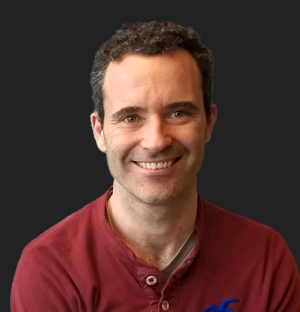
Pillar 1 – Sequencing Data
This pillar covers a wide range of sequencing technologies, including:
• Genomics (WES, WGS)
• Transcriptomics (bulk, single-cell, spatial)
• Epigenomics (ChIP-sq, ATAC-seq, methylome)
• Somatic alterations
• Translation profiling
• Genomic pipelines
The pillar is led by Dr. Andrej Benjak, who has extensive experience in oncogenomics and various sequencing data types and technologies.
Pillar 2
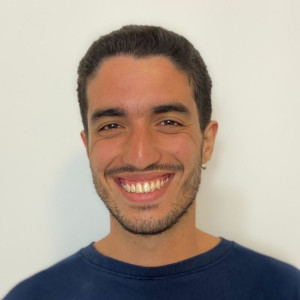
Pillar 2 – Image analysis
This pillar focuses on advanced image analysis using state-of-the-art machine learning tools.
The pillar will be led by Anas Machraoui, who has extensive experience in multimodal microscopy and multispectral image processing, as well as ML algorithms and image processing pipelines.
Pillar 3
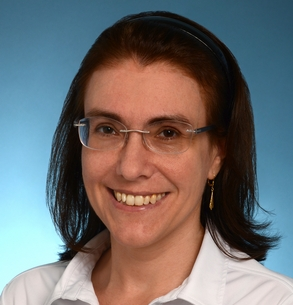
Pillar 3 – Mass-Spectrometry Data
This pillar focuses on proteomics, ranging from single-cell proteomics to tissue-level protein analysis. The Proteomics & Mass Spectrometry Core Facility has extensive expertise in advancing and applying mass-spectrometry technologies to address cutting-edge biomedical research challenges.
Dr. Anne-Christine Uldry, the senior computational scientist at the Proteomics & Mass Spectrometry Core Facility, will serve as the interface between data science and the computational aspects of proteomics.
Pillar 4
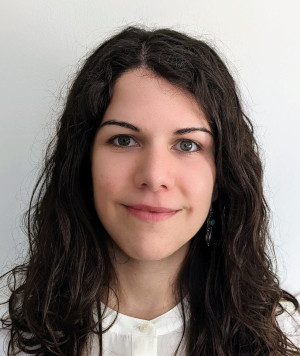
Pillar 4 – Flow Cytometry
Flow cytometry produces multiparametric single-cell datasets that can bridge high-dimensional molecular measurements with imaging-based analysis.
This pillar will be led by Dr. Miriam Diaz Varela from the Flow Cytometry and Cell Sorting Facility.
AI
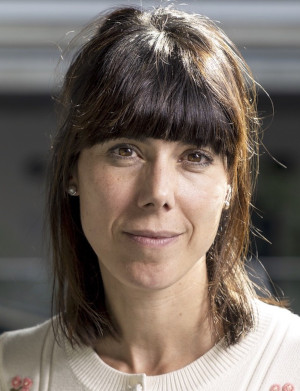
Machine learning and integration
The Hub aims to harness the full potential of AI in data analysis and discovery, and to achieve the highest returns from integrating different data types across disciplines and collaborations.
This effort is led by Prof. Raphaëlle Luisier, who has extensive experience in machine learning and large AI models.